Check out our blog
Spring awakens nature, making it the ideal time to prepare your garden for new growth. Start by clearing away any debris from winter, including fallen leaves and branches. This cleanup is crucial as it not only improves the appearance but also prevents pests and diseases from settling in. With the ground warming up, it's the perfect time to aerate the soil. Aeration improves water absorption and root development, leading to healthier plants.
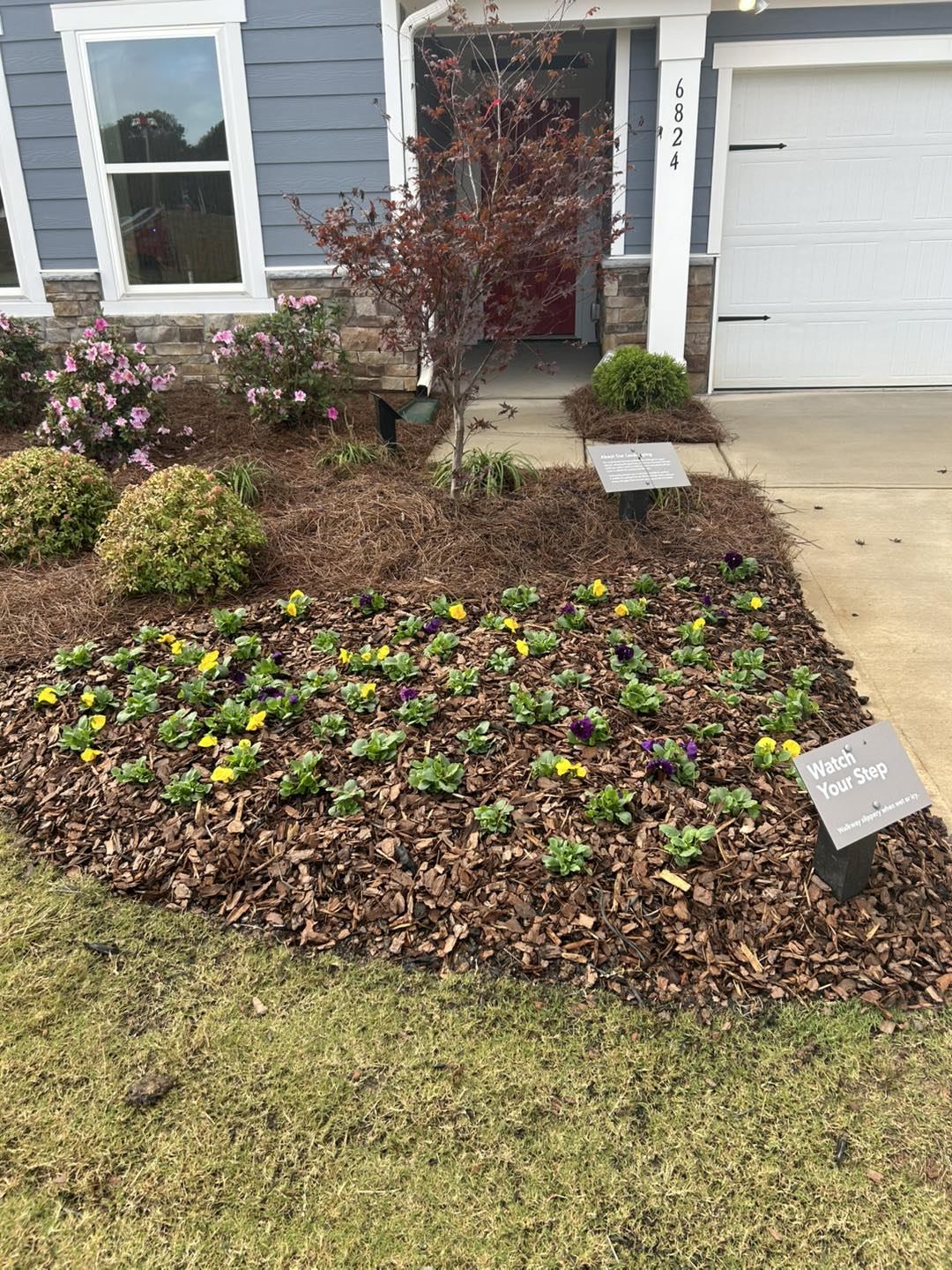
Once the garden is tidy, move on to planting. Focus on incorporating a mix of early bloomers and late-spring flowers. Tulips and daffodils are excellent choices as they add vibrant colors and are relatively low maintenance. It's also a good time to fertilize your lawn and garden beds. Using a balanced fertilizer will enhance growth and ensure your plants have the nutrients they need for the seasons ahead.
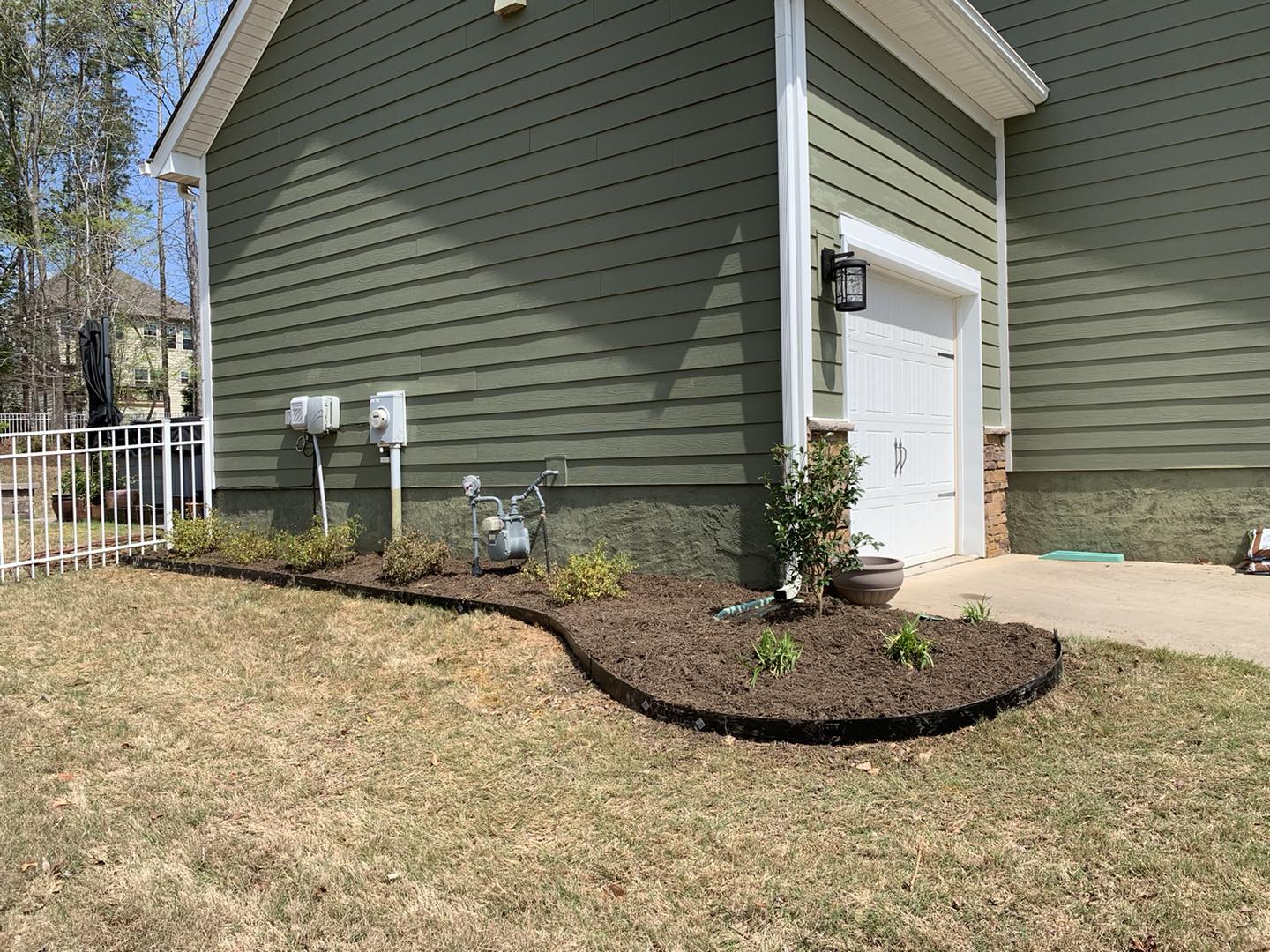
As we transition into summer, maintaining adequate moisture becomes critical. Mulching is a great way to retain soil moisture and keep the roots cool. Apply a three-inch layer around your plants, ensuring that mulch does not touch the stems. This practice not only conserves water but also suppresses weeds. Alongside mulching, establish a consistent watering routine tailored to the specific needs of your plants and grass type.
Summer is also when pests are most active. Monitor your garden regularly and use organic pest controls to keep them at bay. Pruning during this season helps remove any dead or diseased branches, encouraging healthier growth and better air circulation. Additionally, consider planting heat-resistant flora such as succulents and lavender that can withstand the summer sun.
Autumn is a time of transition, ideal for preparing your garden for the cold months ahead. Begin by cleaning up any dead plant material to prevent the spread of diseases. Fall is also the best time for planting trees and shrubs as the cooler temperatures help them establish roots without the stress of summer heat. Reseeding your lawn in fall ensures a lush, green landscape in the spring.
With winter approaching, it’s crucial to protect your garden from frost. Installing frost cloths or using mulches can safeguard tender plants. Select winter-hardy plants such as holly or evergreen shrubs to maintain a splash of color during the bleakest months. Another great tip is to keep watering during dry winter spells to ensure that plants stay healthy.
At Groundhog Landscapes, we recognize that each garden is unique. Tailoring these seasonal tips to your specific layout and climate can optimize results and keep your garden looking spectacular throughout the year. No matter the season, regular maintenance and careful planning are key to a vibrant, thriving garden.
By understanding and implementing these seasonal landscaping strategies, you not only enhance the beauty and health of your garden but also increase the longevity and enjoyment of your outdoor spaces. Let Groundhog Landscapes help you achieve a beautiful garden every month of the year.